
Raising kids in the world of sports can be a challenging journey. We often feel pressured to keep up with the latest trends and expectations. But is this really what's best for our children? As parents, we need to take a step back and assess the situation carefully. It's not about winning at all costs or specializing too early. It's about finding the right balance and creating a positive environment for our kids to grow.
For example, take the case of a soccer coach who was talking to a team of 10-year-old girls. He emphasized the importance of playing to win in a productive fashion, rather than just focusing on the outcome. This approach helps kids develop a sense of purpose and strive for their best. Similarly, in Norway, kids only play sports recreationally before age 13, allowing them to develop a genuine love for the game. This has led to their remarkable success in the Olympics.
When it comes to choosing a coach, there are several important factors to consider. One of the key philosophies is helping athletes learn life skills. As kids get older, a coach should encourage them to be independent and make their own decisions. For instance, allowing them to discuss playing time or try a different position shows that the coach values their autonomy.
Another important philosophy is supporting athletes in being healthy and fit. A coach who promotes offseason or off-day workouts can have a significant impact on a player's development. However, it's crucial to distinguish between healthy motivation and punishment. For example, making kids run or do push-ups after practice as a form of punishment can create a negative connection with sports.
Fun is an essential aspect of sports for kids. A study found that "fun" is more than just a smile or a laugh; it's a state that helps kids get the most out of their ability. A positive coach who treats kids with respect and encourages them to try their best creates a fun environment. For example, instead of immediately pulling a kid from a game after a mistake, a good coach will support them and help them learn from it.
Moreover, promoting good sportsmanship is equally important. We want our kids to learn how to lose gracefully and respect the rules and officials. A coach who controls the environment at a game and sets a good example can have a profound impact on the behavior of the players and the spectators.
In club sports, where development is crucial, it's important to ensure that kids get a fair share of practice and competition time. Calculating the average number of minutes committed to sports can give us an idea of how much time our kids are actually spending on the field. We don't want our kids to sit on the bench all the time, but we also understand that in high school, winning is often the priority.
For instance, in travel baseball, we might find that it takes 455 minutes per person, including playing, driving, and other activities. A good coach will make sure that every child has the opportunity to play and grow.
Parents often worry about the health consequences of early sports specialization. While focusing on one sport can make a kid better, it can also lead to burnout and injuries. The American Academy of Pediatrics recommends taking 2 to 3 months off a year to keep sports fresh. A sports medicine physician emphasized the importance of giving our bodies and minds time to recover.
Coaches also play a crucial role in preventing injuries. By creating a safe environment and teaching proper techniques, they can reduce the risk of accidents. For example, making sure kids wear the right equipment and follow safety guidelines can go a long way in protecting their well-being.
Our early sports experiences should be about enjoyment. Coaches who understand this can help kids improve over time without putting too much pressure on them. Just like in Norway, where kids develop a love for sports before specializing, we should focus on creating a positive and fun atmosphere.
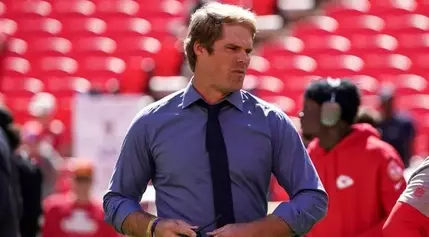
As a three-time NFL Pro Bowl tight end, Greg Olsen understands the importance of this. He believes that the kids who continue to improve over the long term are the ones who will ultimately succeed. By fostering a love of sport, we can set our kids up for a lifetime of healthy and active living.
When kids play sports, they want to feel like they belong. A coach who creates a valuable experience for them can make a big difference. For example, after a big win, the coach's reaction can show that the team is a family. This sense of belonging can have a lasting impact on a child's self-esteem and confidence.
Think about the 1983 NCAA men's basketball championship when NC State player Lorenzo Charles secured a stunning win. The coach's celebration with the team showed that they were all in it together. We should strive to give our kids this same feeling through sports.

Why Is Florida Getting Federal Money for Lead Pipes That Don’t Exist?
The article discusses the Biden administration's efforts to replace the nation's lead pipes, which c
It’s Your Money. Come And Get It – The Hudson Indy Westchester’s Rivertowns News –
The article discusses how New York State is holding onto billion in "lost money" that rightfully
Money Market Interest Rates Today: September 10, 2024
Money market accounts offer higher interest rates than regular savings accounts, typically ranging f
Jalen Milroe thanks parents for teaching him how to handle money, NIL opportunities
The article discusses the challenges college athletes face in handling the financial opportunities p
Unfunded state mandate will cost local governments more than money
The article discusses the challenges local government administrators face with a new state law that
Rapid City homeowners can save money through city-endorsed program
The city of Rapid City, South Dakota, is offering a program that provides affordable repair coverage
Are we in a recession? Maybe not officially, but there’s growing concern that one’s on the horizon
The article discusses the possibility of a recession in the United States, despite the economy not b
Asset Management Firms in Los Angeles Adapt to Wildfire Challenges
Los Angeles-based asset management firms, including Capital Group, TCW, Oaktree Capital, and Ares Ma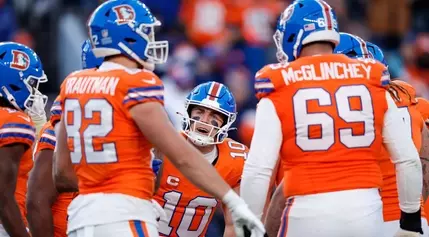
Denver Broncos Triumph: Overcoming Cap Challenges to Secure Playoff Berth
The Denver Broncos secured a playoff berth by defeating the Kansas City Chiefs, ending their playoff
Missing a ‘bag full of money?’ The Sturgeon Bay Police Department wants to hear from you
A citizen in Sturgeon Bay, Wisconsin found a bag full of cash and turned it in to the police departm
Budget Session LIVE: Union Finance Minister Nirmala Sitharaman to table Economic Survey
The Economic Survey 2023-24 highlights the strong performance of the Indian economy, with corporate
Diehard Lions fan’s vintage car selected for SI’s football preview cover
Ryan Talaga, a passionate Detroit Lions fan, had his 1957 Ford Fairlane featured on the cover of Spo
Food Prices Set to Surge in Second Half of 2025 Amid Budget Changes
The British Retail Consortium (BRC) warns that food prices are likely to rise significantly in the s
Community Support Flourishes at Ironwood's Union Station Food Bank
The nonprofit Union Station in Ironwood, Michigan, is addressing food insecurity by offering afforda
AG: Israel cannot finance daycare for ultra-Orthodox slated for IDF service
The article discusses a decision by Israel's attorney general to notify the labor minister that the
Allston music venue Great Scott to return in a new location
The iconic Allston music venue, the Great Scott, is set to make a triumphant return after being clos
Tequila Works Shutters: A Cautionary Tale of the Volatile Game Development Industry
Tequila Works, a Madrid-based game development studio, has filed for insolvency due to "prolonged ma
Donald Trump Jr.: A Journey Through Business and Politics
Donald Trump Jr., born in 1977, is the eldest child of former U.S. President Donald Trump and Ivana
Emergency Slide Deployment at Heathrow Causes Significant Flight Delay
A British Airways crewmember mistakenly deployed an aircraft's emergency slide at Heathrow Airport o
Nevada Advances Community-Based Care for Children with Behavioral Health Needs
The Justice Department and Nevada have reached a settlement ensuring children with behavioral health

